Maximizing ROI: Choosing the Right Digital Advertising Channels in San Diego
For San Diego’s small and mid-sized businesses, digital advertising offers incredible opportunities to reach new customers and grow revenue. However, not all platforms are created equal, and when budgets are tight, selecting the right channel is crucial for maximizing return on investment (ROI).
Whether you're a local contractor, restaurant owner, or service provider, your digital ad strategy should focus on what drives the most visibility, leads, and conversions in your area. In this blog, we’ll explore popular digital advertising options and explain why Google Ads often delivers the strongest results for San Diego businesses.
1. Google Ads: The Top Performer for ROI
Google Ads (formerly AdWords) allows your business to appear at the top of search engine results for keywords your customers are actively searching. For example, a San Diego resident searching “emergency plumber near me” or “best tacos in North Park” is showing high intent; they’re ready to take action.
Why It Works:
- High Intent Traffic: Google Ads targets users who are already searching for your service.
- Geographic Targeting: You can zero in on neighborhoods, zip codes, or custom map boundaries within San Diego County.
- Budget Control: Set daily or monthly budgets and pay only when someone clicks your ad.
- Performance Tracking: Detailed analytics help you optimize campaigns based on clicks, calls, and conversions.
Best For: Local service providers, contractors, restaurants, medical offices, and businesses with a clear search-driven customer base.
Pro Tip: Pairing your Google Ads with a high-quality landing page and Google Business Profile increases both clicks and conversions.
2. Facebook and Instagram Ads: Great for Brand Awareness
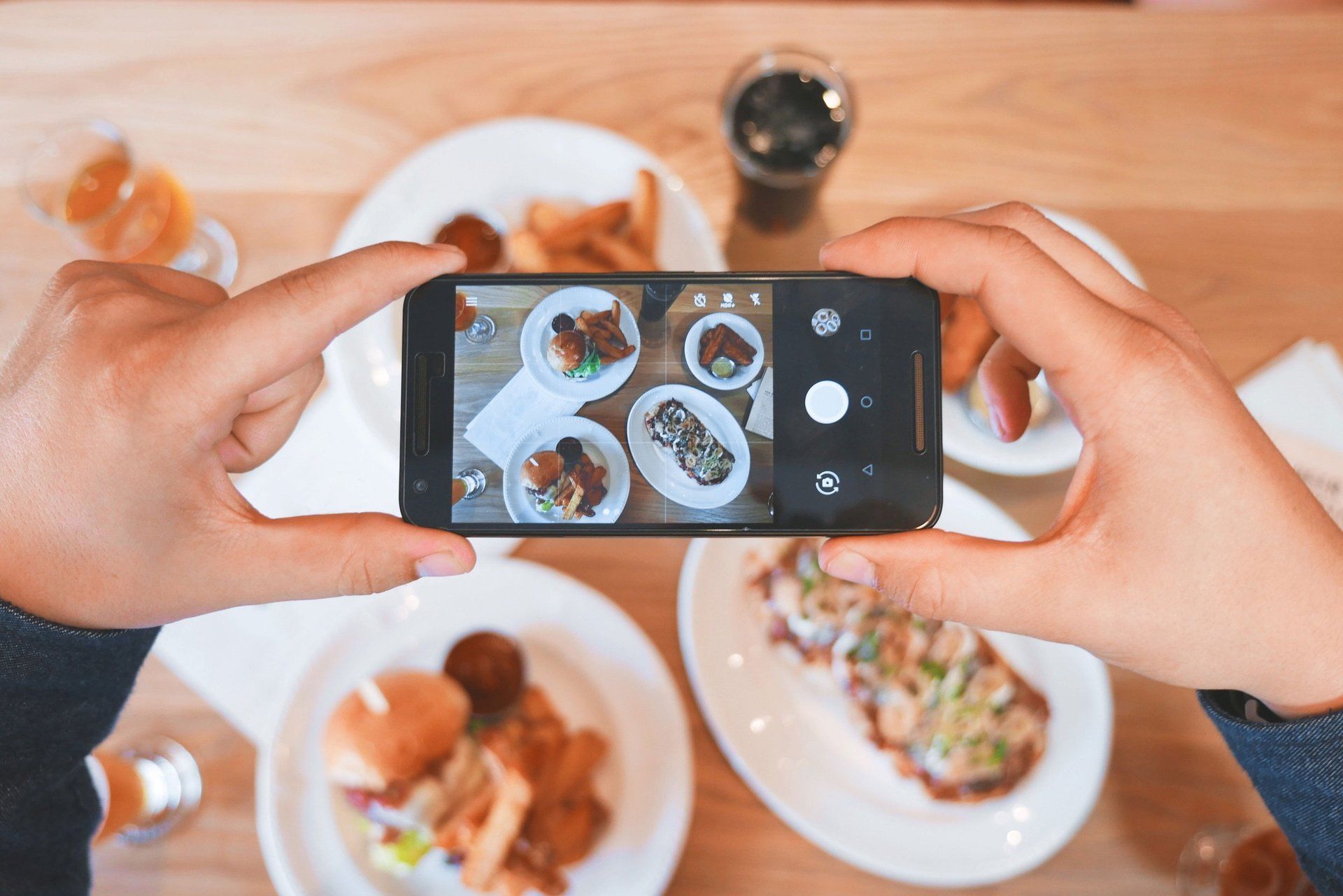
Meta Ads (Facebook and Instagram) are ideal for building awareness and retargeting warm audiences. These platforms allow for demographic, interest, and behavioral targeting, which makes them powerful tools for visually engaging products and lifestyle-focused brands.
Why It Works:
- Highly Visual: Great for showcasing products, services, or events.
- Audience Targeting: Narrow down your audience by age, interests, or local San Diego communities.
- Retargeting Capabilities: Re-engage visitors who have already interacted with your business online.
Best For: Local boutiques, wellness providers, event-based businesses, and restaurants trying to build buzz and increase repeat traffic.
Limitations: These platforms are less effective for driving high-intent leads. Most users are not actively looking for services when scrolling; they’re browsing socially.
3. Yelp Ads: Niche but Effective for Some Industries
Yelp Ads are especially effective for service-based businesses where customer reviews matter, such as salons, dentists, and home service providers.
Why It Works:
- Built-In Reviews: Yelp showcases your business along with customer testimonials.
- Local Search Visibility: Your ad can appear at the top of relevant search results on Yelp.
Best For: Restaurants, salons, auto repair shops, and other businesses that benefit from comparison shopping and customer feedback.
Limitations: Yelp ads can be costly, depending on your category and level of competition. Additionally, some users have grown wary of Yelp’s pay-to-play nature and ad placements.
4. Don’t Overlook Google Business Profile Optimization
If you're not ready for paid advertising or want to supplement your ad spend, optimizing your Google Business Profile (GBP) is one of the best ways to increase local visibility at no cost.
Why It Works:
- Appears in Google Maps and Local Search Results
- Enables Customers to Call, Visit, or Review Your Business
- Supports Photos, Offers, and Posts to Promote Engagement
Best For: Every San Diego business. It’s essential to optimize your profile regardless of your ad strategy.
Tips for Optimization:
- Keep your business information accurate and complete.
- Add high-quality photos.
- Collect and respond to customer reviews.
- Use local keywords in your business description.
When used in conjunction with Google Ads, an optimized profile enhances your credibility and conversion rate.
Which Channel Is Best for San Diego Businesses?
While Facebook, Instagram, and Yelp all have their place, Google Ads offers the best combination of local targeting, high-intent visibility, and measurable return on investment (ROI). Especially for service-based businesses or those in competitive local niches, showing up at the top of search results can be the difference between a lead and a lost opportunity.
Pairing Google Ads with a robust Google Business Profile establishes a digital foundation that operates 24/7, driving traffic, generating calls, and fostering credibility.
Final Thoughts
If you’re trying to grow your San Diego business, focus your digital ad budget where it matters most. Start with Google Ads for high-intent leads, complement with social media or Yelp if relevant to your industry, and never underestimate the power of a fully optimized Google Business Profile.
Smart targeting, consistent monitoring, and a strategy built on intent are the keys to maximizing your digital advertising return on investment (ROI).
Need help building or refining your digital ad strategy?
Reach out today to see how we can help your San Diego business grow online.