GoBeRewarded Marketing Blog

Unlocking the Power of Digital Marketing: Strategies for Success

Popular Blog Tags

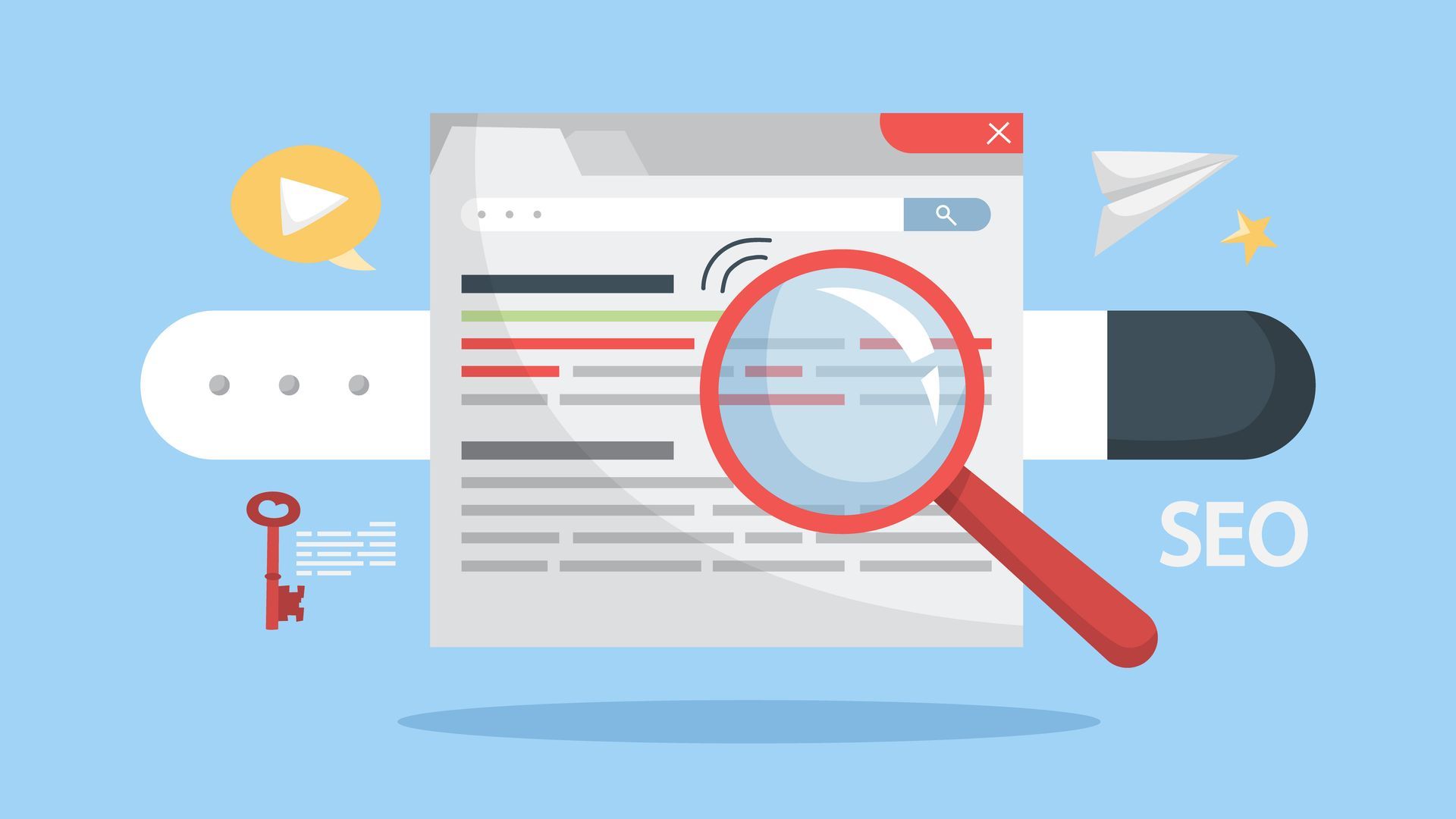
A magnifying glass over a document against a light blue background with icons of a key, paper plane, and the text
March 12, 2026
Search engine optimization, or SEO, is often talked about as one thing, but it actually includes several different types of work. Two of the most important are on-page SEO and off-page SEO . Both influence how your website performs in search results, but they focus on different parts of your online presence. What Is On-Page SEO? On-page SEO refers to everything you optimize directly on your website to help search engines understand your content.  This includes things like: Page titles and meta descriptions Headings and page structure Keyword usage in the content Internal linking between pages Image optimization and site speed The goal of on-page SEO is to make your website clear, organized, and easy for search engines to understand. What Is Off-Page SEO? Off-page SEO refers to signals that happen outside of your website but still influence how search engines evaluate it. The most common example is backlinks , which are links from other websites pointing to yours. When reputable websites link to your business, search engines see that as a sign of credibility. Off-page SEO can include: Backlinks from other websites Business directory listings Local citations Online mentions of your business Why Both Matter A well-optimized website is important, but it is only part of the picture. Search engines also look for signals that your business is trusted and referenced elsewhere online. Strong SEO typically comes from a combination of both a well-structured website and credible external signals.
Two people, woman and man, looking at a computer screen together at a desk.
February 28, 2026
Learn how Google Ads is tightening phone number and business info rules in 2026, and what small businesses must do to stay compliant and maximize ad performance.
February 6, 2026
Most business owners only hear about DNS when something stops working. It sounds technical, but the concept is actually straightforward and extremely important to understand. DNS is the system that tells the internet where your website, email, and other services live. More importantly, whoever controls your DNS effectively controls access to your online presence. That is why every business owner should make sure they own their domain and have access to their DNS settings. What DNS Is DNS stands for Domain Name System. Think of it as the internet’s phonebook. When someone types your website address into a browser, like www.yourbusiness.com , DNS translates that domain name into the numerical IP address where your website is hosted. Once the correct server is found, the website loads. Without DNS, people would have to type long strings of numbers instead of simple domain names. What DNS Controls DNS does more than just point visitors to your website. It also directs other critical services connected to your domain, including: Your website hosting Your business email Subdomains like blog.yourbusiness.com Verification records used by tools like Google or Microsoft In short, DNS acts as the traffic controller for many parts of your digital infrastructure. Why Business Owners Should Care One of the most common problems businesses run into is losing access to their domain or DNS because it was registered under a developer, agency, or former employee. When that happens, you may not be able to: Move your website to a new provider Change email services Connect marketing tools Fix website or email issues Your domain and DNS act as the gateway to your entire digital presence. If you do not control them, someone else does. What Every Business Should Do Every business owner should make sure of three things: Your business owns the domain name You know where it is registered and have login access You can access the DNS settings if needed Even if a developer or marketing agency manages things for you, the account should always belong to the business.
Woman holding a smartphone, reading content with a focused expression.
January 10, 2026
What San Diego consumers expect from business websites in 2026, plus practical ways to improve design, speed, mobile usability, and overall professionalism.
January 5, 2026
If you've ever worked on your business website, you've probably come across the terms "domain hosting" and "web hosting" . They often sound similar, and many people assume they refer to the same thing. In reality, they serve two very different roles in how a website works. The good news is that the difference is easy to understand once you see how the two pieces fit together. A Simple Way to Think About It A helpful comparison is to think of a website the same way you would think about a physical location. Your domain name functions like the address, while your web hosting is the building located at that address. Both are necessary. Without an address, people would not know where to go. Without a building, there would be nothing there when they arrive. Your Domain Name: The Address Your domain name is the web address people type into their browser when they want to visit your website. It might look something like yourbusiness.com . Just like a street address helps people locate a home or office, your domain name helps visitors locate your website on the internet. Its job is simply to point people in the right direction. On its own, the domain does not contain your website. It is simply the address that leads visitors to where the website is stored. Web Hosting: Where Your Website Lives Web hosting is the service that stores your website and makes it available online. It is where all of the files that make up your website are kept, including your pages, images, and contact forms. When someone enters your domain name into their browser, the domain directs them to the server where your website is hosted. The hosting server then loads the website so the visitor can view it. In other words, web hosting is where your website actually lives. How They Work Together When a visitor goes to your website, a few simple steps happen behind the scenes. They type your domain name into their browser. The domain points their browser to the correct server, and the hosting server sends the website files back to the visitor’s screen. Within a moment, the website appears. This process relies on both the domain and the hosting working together.
Website interface next to a code snippet showing pages and products.
January 1, 2026
We’re excited to share that all GoBeRewarded websites built on the Duda platform now automatically include a powerful new feature: llms.txt . This small but impactful update helps your website speak more clearly to today’s most advanced AI tools. It works behind the scenes without you having to do a thing.
A screenshot of Google AI suggesting Have AI check prices for a local business search
November 22, 2025
This week, while helping a Vista nail salon improve their SEO, something unusual caught our attention. In the Google Map Pack, under a listing of local nail salons, a new option appeared: “Have AI check prices.” Naturally, we clicked it.
Person using a smartphone with a AI chatbot graphic overlay that reads
October 15, 2025
ChatGPT has transformed how we search for information , from writing help to answering complex questions. It’s fast, conversational, and remarkably capable at understanding what we mean even when we’re vague. But when it comes to finding local businesses or services , ChatGPT isn’t ready to replace Google Maps, Yelp, or other local search tools just yet. Here’s why ChatGPT is powerful but not perfect when it comes to local business discovery.
Person using a stylus to point at the Google My Business logo on a tablet screen.
September 26, 2025
Boost local visibility fast. Learn how San Diego entrepreneurs can optimize their Google Business Profile to attract more customers and grow sales.
A cell phone and a tablet with ads on the screens
June 9, 2025
For San Diego’s small and mid-sized businesses, digital advertising offers incredible opportunities to reach new customers and grow revenue. However, not all platforms are created equal, and when budgets are tight, selecting the right channel is crucial for maximizing return on investment (ROI). Whether you're a local contractor, restaurant owner, or service provider, your digital ad strategy should focus on what drives the most visibility, leads, and conversions in your area. In this blog, we’ll explore popular digital advertising options and explain why Google Ads often delivers the strongest results for San Diego businesses. 1. Google Ads: The Top Performer for ROI Google Ads (formerly AdWords) allows your business to appear at the top of search engine results for keywords your customers are actively searching. For example, a San Diego resident searching “emergency plumber near me” or “best tacos in North Park” is showing high intent; they’re ready to take action. Why It Works: High Intent Traffic: Google Ads targets users who are already searching for your service. Geographic Targeting: You can zero in on neighborhoods, zip codes, or custom map boundaries within San Diego County. Budget Control: Set daily or monthly budgets and pay only when someone clicks your ad. Performance Tracking: Detailed analytics help you optimize campaigns based on clicks, calls, and conversions. Best For: Local service providers, contractors, restaurants, medical offices, and businesses with a clear search-driven customer base. Pro Tip: Pairing your Google Ads with a high-quality landing page and Google Business Profile increases both clicks and conversions. 2. Facebook and Instagram Ads: Great for Brand Awareness Meta Ads (Facebook and Instagram) are ideal for building awareness and retargeting warm audiences. These platforms allow for demographic, interest, and behavioral targeting, which makes them powerful tools for visually engaging products and lifestyle-focused brands. Why It Works: Highly Visual: Great for showcasing products, services, or events. Audience Targeting: Narrow down your audience by age, interests, or local San Diego communities. Retargeting Capabilities: Re-engage visitors who have already interacted with your business online. Best For: Local boutiques, wellness providers, event-based businesses, and restaurants trying to build buzz and increase repeat traffic. Limitations: These platforms are less effective for driving high-intent leads. Most users are not actively looking for services when scrolling; they’re browsing socially. 3. Yelp Ads: Niche but Effective for Some Industries Yelp Ads are especially effective for service-based businesses where customer reviews matter, such as salons, dentists, and home service providers. Why It Works: Built-In Reviews: Yelp showcases your business along with customer testimonials. Local Search Visibility: Your ad can appear at the top of relevant search results on Yelp. Best For: Restaurants, salons, auto repair shops, and other businesses that benefit from comparison shopping and customer feedback. Limitations: Yelp ads can be costly, depending on your category and level of competition. Additionally, some users have grown wary of Yelp’s pay-to-play nature and ad placements. 4. Don’t Overlook Google Business Profile Optimization If you're not ready for paid advertising or want to supplement your ad spend, optimizing your Google Business Profile (GBP) is one of the best ways to increase local visibility at no cost. Why It Works: Appears in Google Maps and Local Search Results Enables Customers to Call, Visit, or Review Your Business Supports Photos, Offers, and Posts to Promote Engagement Best For: Every San Diego business. It’s essential to optimize your profile regardless of your ad strategy. Tips for Optimization: Keep your business information accurate and complete. Add high-quality photos. Collect and respond to customer reviews. Use local keywords in your business description. When used in conjunction with Google Ads, an optimized profile enhances your credibility and conversion rate. Which Channel Is Best for San Diego Businesses? While Facebook, Instagram, and Yelp all have their place, Google Ads offers the best combination of local targeting, high-intent visibility, and measurable return on investment (ROI) . Especially for service-based businesses or those in competitive local niches, showing up at the top of search results can be the difference between a lead and a lost opportunity. Pairing Google Ads with a robust Google Business Profile establishes a digital foundation that operates 24/7, driving traffic, generating calls, and fostering credibility. Final Thoughts If you’re trying to grow your San Diego business, focus your digital ad budget where it matters most. Start with Google Ads for high-intent leads, complement with social media or Yelp if relevant to your industry, and never underestimate the power of a fully optimized Google Business Profile. Smart targeting, consistent monitoring, and a strategy built on intent are the keys to maximizing your digital advertising return on investment (ROI). Need help building or refining your digital ad strategy? Reach out today to see how we can help your San Diego business grow online.
May 12, 2025
In a competitive market like San Diego, small businesses need more than just ads and sales pitches to stand out. They need to earn trust, build relationships, and offer genuine value. That’s where content marketing comes in. From blogs to videos to social media posts, content marketing is one of the most powerful tools local businesses can use to grow their brand, connect with their audience, and drive real results. Here’s why content marketing is a game-changer for San Diego’s small businesses, and how to use it effectively. 1. Content Builds Brand Awareness (Without the Hard Sell) Unlike traditional advertising, content marketing doesn’t interrupt or push; it attracts. When you publish helpful blog posts, create educational videos, or share behind-the-scenes content on social media, you're putting your brand in front of your audience in a way that adds value. Example: A San Diego landscaping company could publish blog posts like “Best Drought-Tolerant Plants for Coastal Yards” or create a YouTube series on seasonal lawn care tips. These pieces don’t just inform; they introduce the brand as a knowledgeable and trustworthy resource. The Result: The more value you provide, the more people remember your business. When they’re ready to buy, you’re top of mind. 2. Content Builds Trust and Credibility In a saturated local market, customers don’t just choose based on price; they choose based on trust. Content allows you to demonstrate your expertise and show your human side. Blogs show you understand your industry. Videos let customers see your team in action. Testimonials and case studies build social proof. Example: A San Diego wellness clinic might share a blog post titled “What to Expect During Your First Acupuncture Appointment,” easing fears and showing professionalism before a customer even walks through the door. The Result: When people feel informed and confident about your services, they’re more likely to convert and stay loyal. 3. Content Improves SEO and Increases Website Traffic If you want your business to show up in local search results, content is key. Regularly publishing optimized blog posts gives Google more pages to index and helps you target keywords your audience is searching for. Example: A boutique in North Park might publish blog posts like “Top 5 Local Gift Ideas in San Diego” or “Sustainable Fashion Trends for SoCal Summers.” These keywords help attract local shoppers searching for those topics online. The Result: More visibility in search engines means more organic traffic and more qualified leads. 4. Content Fuels Social Media and Email Marketing Social media and email marketing are only as strong as the content they promote. Blogs, videos, infographics, and even customer spotlights give you something engaging to share. Example: A local café could film a short video showcasing a seasonal drink, write a quick blog about their local suppliers, and then share that content across Instagram, Facebook, and their email newsletter. The Result: With the right content, every platform works together to drive engagement and build brand loyalty. 5. Content Has Long-Term ROI Unlike ads that disappear once your budget runs out, quality content continues to work for your business over time. A blog post written today could bring in traffic and leads for months or even years. Example: A San Diego home inspector writes a comprehensive guide to “Preparing Your Home for Sale in Southern California.” Even a year later, that post can still show up in search results and drive potential clients to their site. The Result: The return on content marketing increases over time, delivering long-term value for your investment. How to Get Started with Content Marketing Here are a few simple steps San Diego small businesses can take to begin: Start a Blog : Use your website to answer common customer questions and showcase your expertise. Invest in Video : Short, authentic videos work well on social media and help personalize your brand. Leverage Local Topics: Tie your content to San Diego-specific events, neighborhoods, and seasonal trends to increase relevance and engagement. Be Consistent: Whether you post weekly or monthly, consistency builds trust and momentum. Track Your Results: Use Google Analytics or social media insights to see what’s working and refine your strategy. Final Thoughts Content marketing is more than a buzzword; it’s a practical, powerful strategy that helps San Diego’s small businesses grow their audience, build trust, and compete with larger brands. By creating and sharing helpful content, you don’t just sell, you connect. Whether you're a local service provider, a boutique shop, or a family-run restaurant, content marketing can be the key to sustainable, long-term growth. Start small, stay consistent, and let your content speak for your brand.
A group of people are covering their faces in front of a laptop computer.
February 17, 2025
Digital marketing is essential for San Diego businesses looking to attract local customers, increase brand awareness, and drive sales. However, many companies fall into common pitfalls that can waste time, money, and effort. Whether running Google Ads, managing social media, or optimizing your website for search engines, avoiding these mistakes will help you maximize your marketing success. Here are five common digital marketing mistakes San Diego businesses make—and how to fix them.
Show More