Top Ten Marketing and Promotion Ideas for Restaurants
Easy and quick ways to promote your restaurant this year

Is your restaurant marketing plan stuck in a rut? Do you need some fresh ideas to update your promotions? Customers may be looking for something new and it’s time to give it to them.
Here are the top 10 ways to promote your restaurant.


1.Free appetizers and then some
Get your customers in the door by offering them a heavily discounted item. For example, a free appetizer with a meal always seems to attract crowds. Recently
it worked for Applebees when recruiting new applicants and they were flooded with applicants applying for a number of job openings. After all, who doesn’t love something free? It’s a great way to entice new customers and will likely generate a lot of foot traffic. Plus, folks will be trying new items on your menu and may find a new favorite.
2. Check your website
Make sure everything on your website is easy to use and see.
72% of people searching for food do it from their mobile phone. There’s nothing worse than deciding your want to check out a new restaurant and not being able to check out their menu offerings.
That’s why it’s imperative that pictures are easy to see and the menu is accessible. Plus check the website’s speed test. You don’t want slow upload speeds or folks will move on to a competitor.
3. Keep it fresh on Instagram
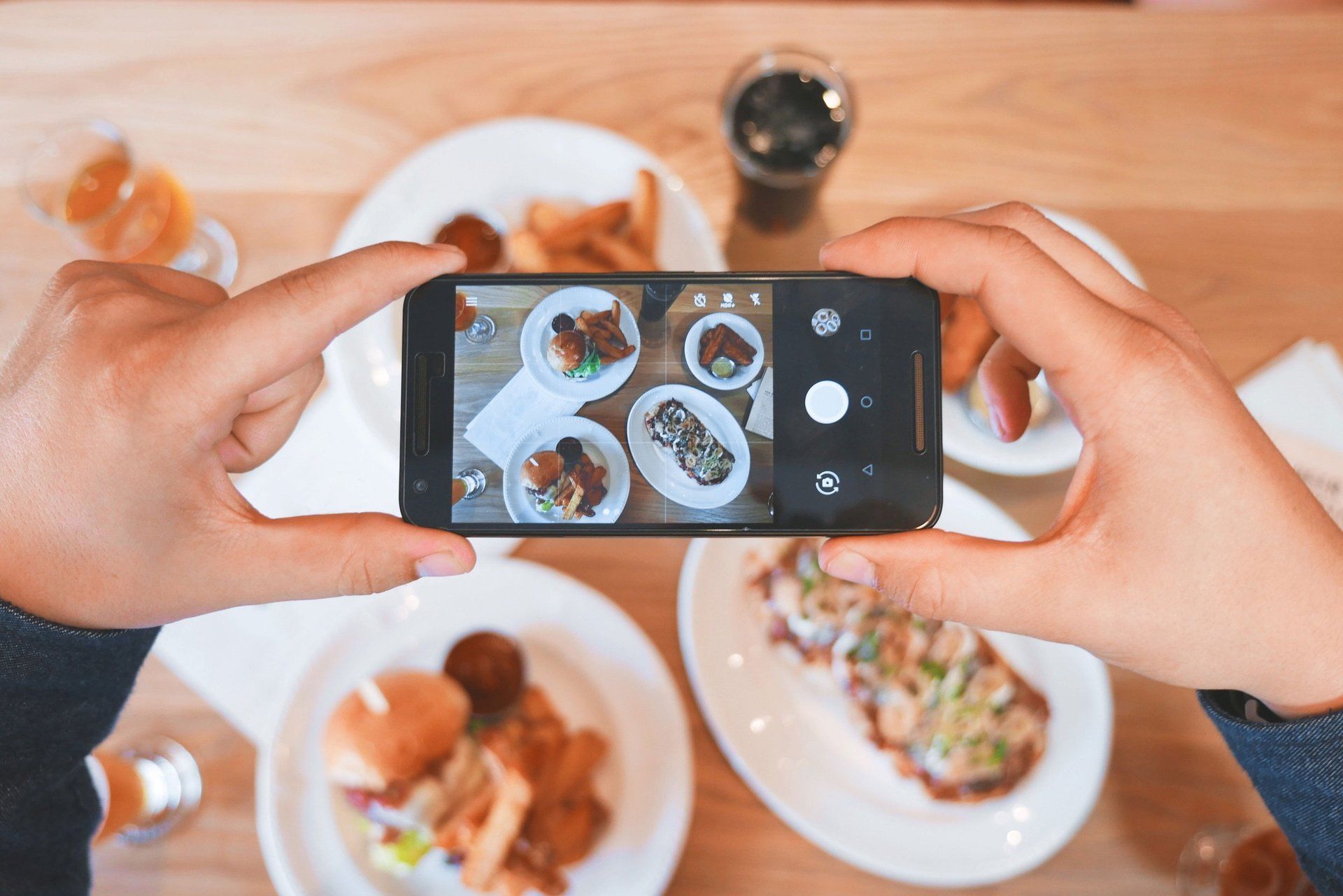
Speaking of pictures of food, ask your customers to take pictures of their food and share them on Instagram. This will keep your restaurant fresh and top of mind for folks when choosing where and what they want to eat. While you are using Instagram, post special deals for your followers. Make sure to reward them for being loyal.
4. Start an email list
If you are looking for an affordable way to let your customers know about your latest promotions start an email list. If you don’t know how to get a list started, ask folks to drop their business cards in a bowl to enter to win a free giveaway. You’ll start to slowly build an email distribution list this way and have two new marketing ideas in the works at the same time.
5. Keep up with food trends
Try changing up your menu and offering new items. There are new food trends and folks are always looking for new ways to enhance their diet and lifestyle. Things like the paleo diet, low carb, and even plant-based burgers will continue to be popular, so stay on top of the game by staying up to date with food blogs.
Furthermore, it’s frustrating to visit a restaurant that offers these options but it’s not clear how to order them because the menu isn’t updated or clear. Make sure your staff is trained and these new trends are readily available.



6. Make an Event of It
Many restaurants have had success holding events when debuting new food items and making an event of it. There are social media events built around the concept. Are you creating a new food item that needs to be celebrated and something worth trying by your customers? Then hold an event so everyone will know about it!
7. Collaborate with other restaurants
Instead of seeing other restaurants as the competition, view them as a source of collaboration. Many restaurants refer customers to other restaurants for the main entree or via versa with the dessert. Some cities hold a restaurant week where all of the participating restaurants work together to promote a number of special throughout a certain number of days. This is a way for patrons to taste new foods from neighboring restaurants while maximizing your resources.
8. Host a competition
One of the best ways to be creative is to start a competitive atmosphere. Challenge your customers to try something new alongside you. For example, your restaurant team may be developing a new style of tacos, make sure there are pictures on social media asking customers to try them out as well. It’s fun and can be a different way to get folks involved in your restaurant.
9. Respond to your reviews
As a customer, it’s frustrating to express your opinion and then feel as though it’s not been heard. That’s why it’s important to respond to online reviews. Google ranks restaurants based on the number of reviews they receive. Receiving and reviewing your online reviews will boost your ranking. Plus your customers will feel valued.
Use negative reviews as an opportunity to learn about your business and to turn unhappy customers into brand advocates. Even if you're not able to address every post on your review page, it's a good idea to address your disgruntled customers and try to turn that relationship around.
10. Customer service matters most
The most important marketing strategy is customer service. If you treat your customers well then they will likely tell their friends. Word-of-mouth marketing is the best reward. It’s vital that your customers feel at home and as comfortable as possible.
Contact GoBeRewarded
Are you still feeling lost or overwhelmed? Contact us at GoBeRewarded!
The team here at GoBeRewarded are experts in local marketing. We develop websites, manage paid advertising, create digital media, and produce written content to drive online traffic to your business. We can offer customized solutions to your local business needs.
If you would like to set up an appointment to learn more about the services we offer and how we can help you during these uncertain times, give us a call at (760) 642-2792 or fill out our contact form. We look forward to meeting you!