
How can blogging benefit my business?

July 21, 2020

Here are some of the top ways blogs can help your website

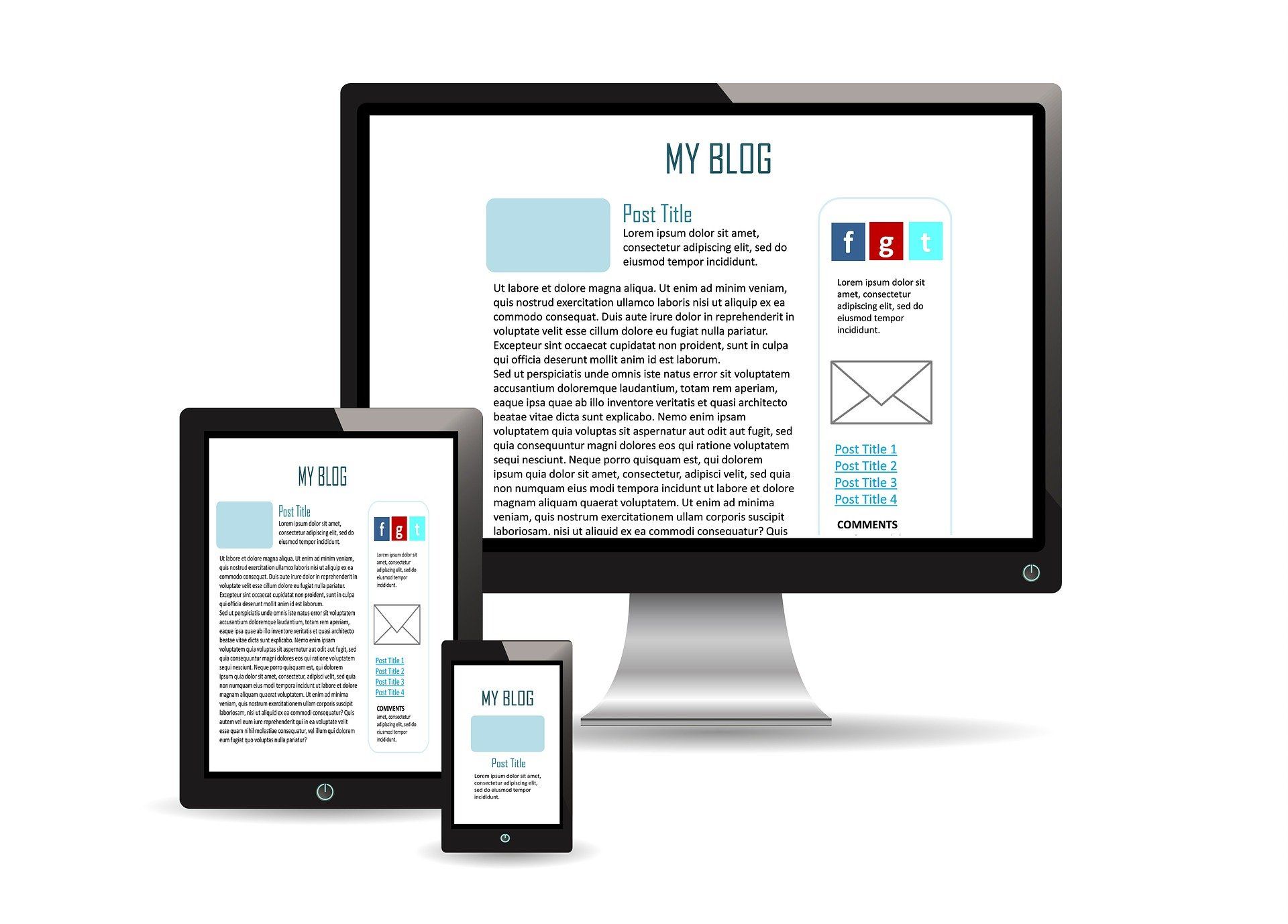
A computer monitor a tablet and a phone all showing a website
A blog is a written article that’s posted on your website to provide information to your audience about various topics of interest. The content can consist of answers to frequently asked questions, tips on how to do something, or educational information about products or services. A regularly updated blog on your website has many benefits for your website and your business.
A magnifying glass is looking at a pie chart

Interesting blog statistics presented by demandmetric.com and Hubspot.com


  • Content marketing costs 62% less than traditional marketing
  • 60% of people are inspired to seek out a product after reading content about it.
  • 80% of US internet users interact with social media sites and blogs
  • Businesses that blog get 55% more visitors to their website than those that don’t blog

With those blog statistics in mind, here are some of the more specific ways blogs benefit your small business and website.  

List of Services

About GoBeRewarded


Have you considered adding a blog to your website, but you simply don’t have the time to write blog content? We offer a blog writing add-on service with our web design package. Our content writer will even help you brainstorm monthly topics. If you are interested in learning more about how you can take advantage of these services, give us a call at
(760) 659-6778 or fill out our contact form, and a representative will get back to you shortly.


A magnifying glass over a document against a light blue background with icons of a key, paper plane, and the text
March 12, 2026
Search engine optimization, or SEO, is often talked about as one thing, but it actually includes several different types of work. Two of the most important are on-page SEO and off-page SEO . Both influence how your website performs in search results, but they focus on different parts of your online presence. What Is On-Page SEO? On-page SEO refers to everything you optimize directly on your website to help search engines understand your content.  This includes things like: Page titles and meta descriptions Headings and page structure Keyword usage in the content Internal linking between pages Image optimization and site speed The goal of on-page SEO is to make your website clear, organized, and easy for search engines to understand. What Is Off-Page SEO? Off-page SEO refers to signals that happen outside of your website but still influence how search engines evaluate it. The most common example is backlinks , which are links from other websites pointing to yours. When reputable websites link to your business, search engines see that as a sign of credibility. Off-page SEO can include: Backlinks from other websites Business directory listings Local citations Online mentions of your business Why Both Matter A well-optimized website is important, but it is only part of the picture. Search engines also look for signals that your business is trusted and referenced elsewhere online. Strong SEO typically comes from a combination of both a well-structured website and credible external signals.
Two people, woman and man, looking at a computer screen together at a desk.
February 28, 2026
Learn how Google Ads is tightening phone number and business info rules in 2026, and what small businesses must do to stay compliant and maximize ad performance.
February 6, 2026
Most business owners only hear about DNS when something stops working. It sounds technical, but the concept is actually straightforward and extremely important to understand. DNS is the system that tells the internet where your website, email, and other services live. More importantly, whoever controls your DNS effectively controls access to your online presence. That is why every business owner should make sure they own their domain and have access to their DNS settings. What DNS Is DNS stands for Domain Name System. Think of it as the internet’s phonebook. When someone types your website address into a browser, like www.yourbusiness.com , DNS translates that domain name into the numerical IP address where your website is hosted. Once the correct server is found, the website loads. Without DNS, people would have to type long strings of numbers instead of simple domain names. What DNS Controls DNS does more than just point visitors to your website. It also directs other critical services connected to your domain, including: Your website hosting Your business email Subdomains like blog.yourbusiness.com Verification records used by tools like Google or Microsoft In short, DNS acts as the traffic controller for many parts of your digital infrastructure. Why Business Owners Should Care One of the most common problems businesses run into is losing access to their domain or DNS because it was registered under a developer, agency, or former employee. When that happens, you may not be able to: Move your website to a new provider Change email services Connect marketing tools Fix website or email issues Your domain and DNS act as the gateway to your entire digital presence. If you do not control them, someone else does. What Every Business Should Do Every business owner should make sure of three things: Your business owns the domain name You know where it is registered and have login access You can access the DNS settings if needed Even if a developer or marketing agency manages things for you, the account should always belong to the business.