
Invisible reCAPTCHA - Stop Spam and Improve User Experience
January 20, 2020
The contact forms on your site have an extra layer of protection with Google’s invisible reCaptcha . It protects your forms from spammers while speeding up the form submission process for real site visitors, for a better experience all around.
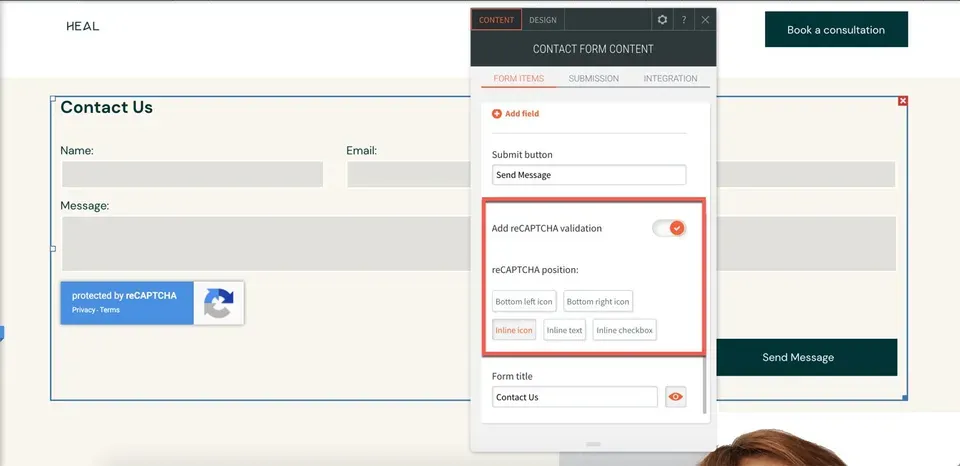
Invisible reCAPTCHA Benefits
- Prevents spammers from attacking your sites by determine if a form submission is coming from a human or a bot.
- Improves user experience by swiftly validating the reCAPTCHA behind the scenes if Google detects that it’s a real user.
Choose how you want this reCAPTCHA to be displayed - it can be shown as an icon or text in the form, to the bottom right or left of the screen.
Originally posted at Duda.co

How much should your small business actually spend on marketing in 2026? Here's a practical, no-fluff breakdown to help you plan.

Common Google Business Profile mistakes that hurt local search rankings, and practical fixes to help your business show up and get chosen.

Authenticity is key for small business success. Build trust & connect with customers. Contact us to enhance your marketing strategy!