What Can You Do As A Restaurant Owner To Cater To Your Customers

March 19, 2020

When Dine-in isn’t an option here are some tips to help your restaurant business during the COVID-19 pandemic.

A person is looking at an uber eats website
San Diego County officials recently banned large gatherings, closed all bars and restricted restaurants to take-out and drive through services only. The importance of adhering to these restrictions are crucial to the effort of containing the outbreak and keeping the public safe, but that doesn’t help your restaurant business. So, what can you do to stay afloat until this passes? 
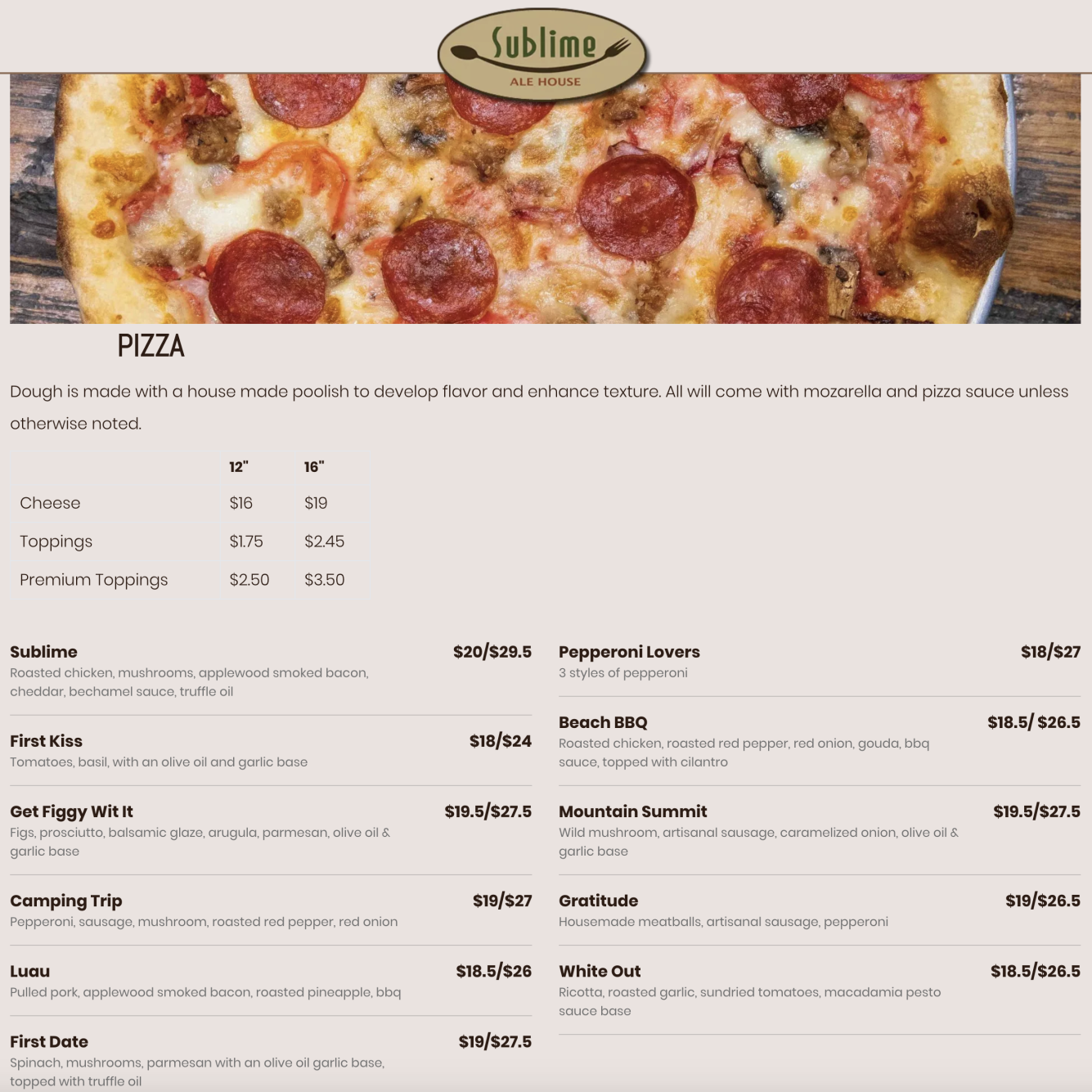
A menu for a restaurant called sublime pizza

Make ordering easier


Your online menu should be up to date with pricing, and pictures of the different dishes you offer.

A woman in a pink apron is preparing food

Create At-Home Meal Kits


Grocery shopping is a hassle, and extremely inconvenient since supplies are scarce.  Create a DIY meal kit with cooking instructions for someone to make their favorite dish at home.

A buffet table with a variety of food including radishes and cucumbers

Offer Bulk Order Specials


Event catering isn’t happening right now, but bulk buying is.  You could offer a family meal deal for pick-up or delivery, so those busy moms working at home and teaching their children can just reheat a meal and serve their family with less stress. 

A man riding a bike with a green uber eats bag on his back

Consider Delivery


You can create an account to partner with services like GrubHub and DoorDash or you can hire your own delivery driver to service your local community.  

A man is pouring sauce into a bowl of food

Host A Cooking Show


Show so your customers how they can re-create your signature dish in the comfort of their own kitchen.  


A man is sitting on a bench with a sign that says anything hungry helps

Partner with local organizations


Your company could partner with facilities and organizations helping quarantined individuals to offer nutritious meals to those individuals with limited access. 
How Can GoBeRewarded Help Your Restaurant?

As your marketing partner, we can help you with the following elements to help boost your business opportunities.
  • Update your website with messaging about hours of operations and service changes
  • Start paid search campaigns to promote your special offers
  • Take Photos of your signature dishes
Reach out to our team today!
A magnifying glass over a document against a light blue background with icons of a key, paper plane, and the text
March 12, 2026
Search engine optimization, or SEO, is often talked about as one thing, but it actually includes several different types of work. Two of the most important are on-page SEO and off-page SEO . Both influence how your website performs in search results, but they focus on different parts of your online presence. What Is On-Page SEO? On-page SEO refers to everything you optimize directly on your website to help search engines understand your content.  This includes things like: Page titles and meta descriptions Headings and page structure Keyword usage in the content Internal linking between pages Image optimization and site speed The goal of on-page SEO is to make your website clear, organized, and easy for search engines to understand. What Is Off-Page SEO? Off-page SEO refers to signals that happen outside of your website but still influence how search engines evaluate it. The most common example is backlinks , which are links from other websites pointing to yours. When reputable websites link to your business, search engines see that as a sign of credibility. Off-page SEO can include: Backlinks from other websites Business directory listings Local citations Online mentions of your business Why Both Matter A well-optimized website is important, but it is only part of the picture. Search engines also look for signals that your business is trusted and referenced elsewhere online. Strong SEO typically comes from a combination of both a well-structured website and credible external signals.
Two people, woman and man, looking at a computer screen together at a desk.
February 28, 2026
Learn how Google Ads is tightening phone number and business info rules in 2026, and what small businesses must do to stay compliant and maximize ad performance.
February 6, 2026
Most business owners only hear about DNS when something stops working. It sounds technical, but the concept is actually straightforward and extremely important to understand. DNS is the system that tells the internet where your website, email, and other services live. More importantly, whoever controls your DNS effectively controls access to your online presence. That is why every business owner should make sure they own their domain and have access to their DNS settings. What DNS Is DNS stands for Domain Name System. Think of it as the internet’s phonebook. When someone types your website address into a browser, like www.yourbusiness.com , DNS translates that domain name into the numerical IP address where your website is hosted. Once the correct server is found, the website loads. Without DNS, people would have to type long strings of numbers instead of simple domain names. What DNS Controls DNS does more than just point visitors to your website. It also directs other critical services connected to your domain, including: Your website hosting Your business email Subdomains like blog.yourbusiness.com Verification records used by tools like Google or Microsoft In short, DNS acts as the traffic controller for many parts of your digital infrastructure. Why Business Owners Should Care One of the most common problems businesses run into is losing access to their domain or DNS because it was registered under a developer, agency, or former employee. When that happens, you may not be able to: Move your website to a new provider Change email services Connect marketing tools Fix website or email issues Your domain and DNS act as the gateway to your entire digital presence. If you do not control them, someone else does. What Every Business Should Do Every business owner should make sure of three things: Your business owns the domain name You know where it is registered and have login access You can access the DNS settings if needed Even if a developer or marketing agency manages things for you, the account should always belong to the business.